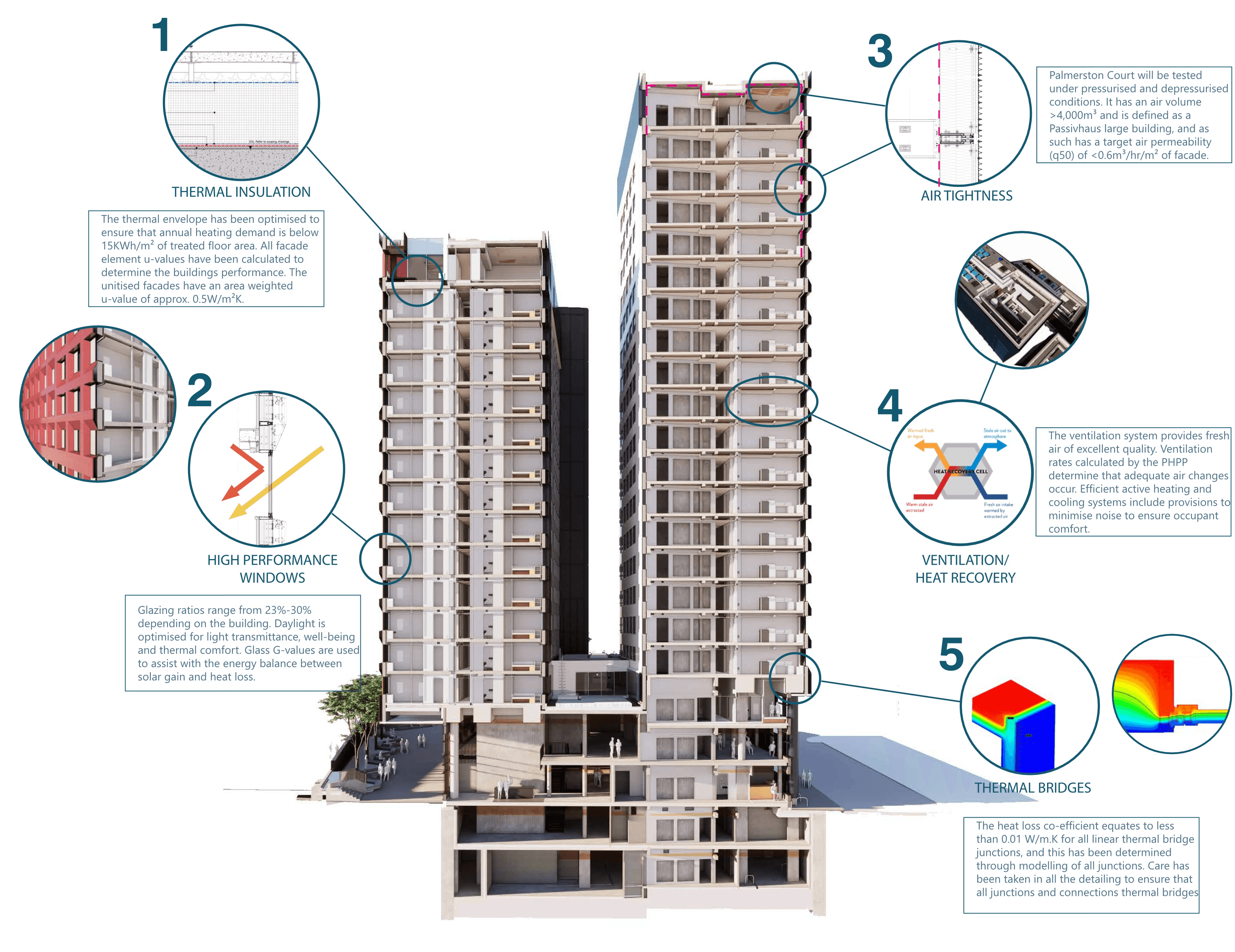
Passivhaus buildings have high levels of insulation, high air-tightness and ventilation with heat recovery to significantly reduce operational carbon and improve occupancy comfort and health
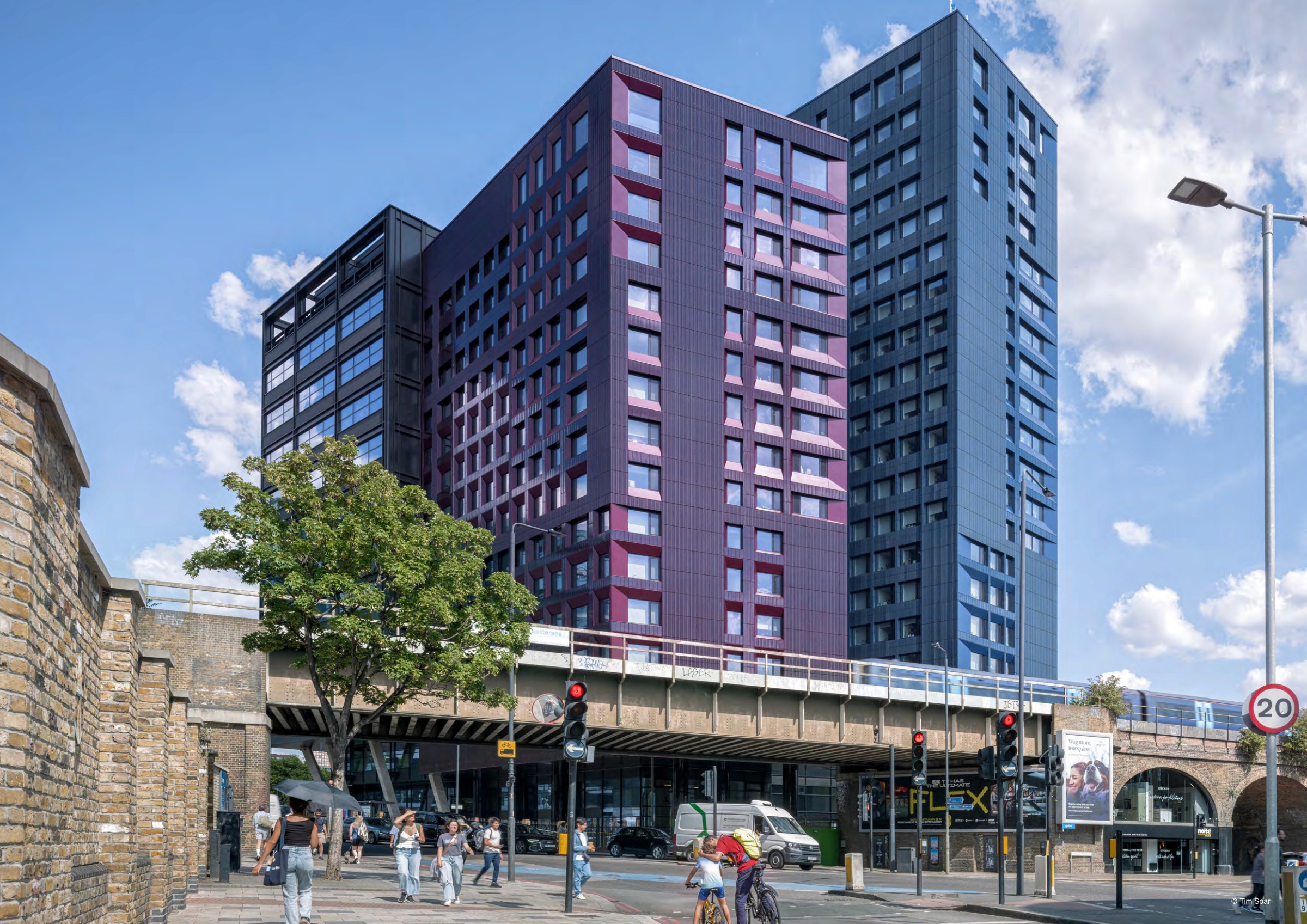
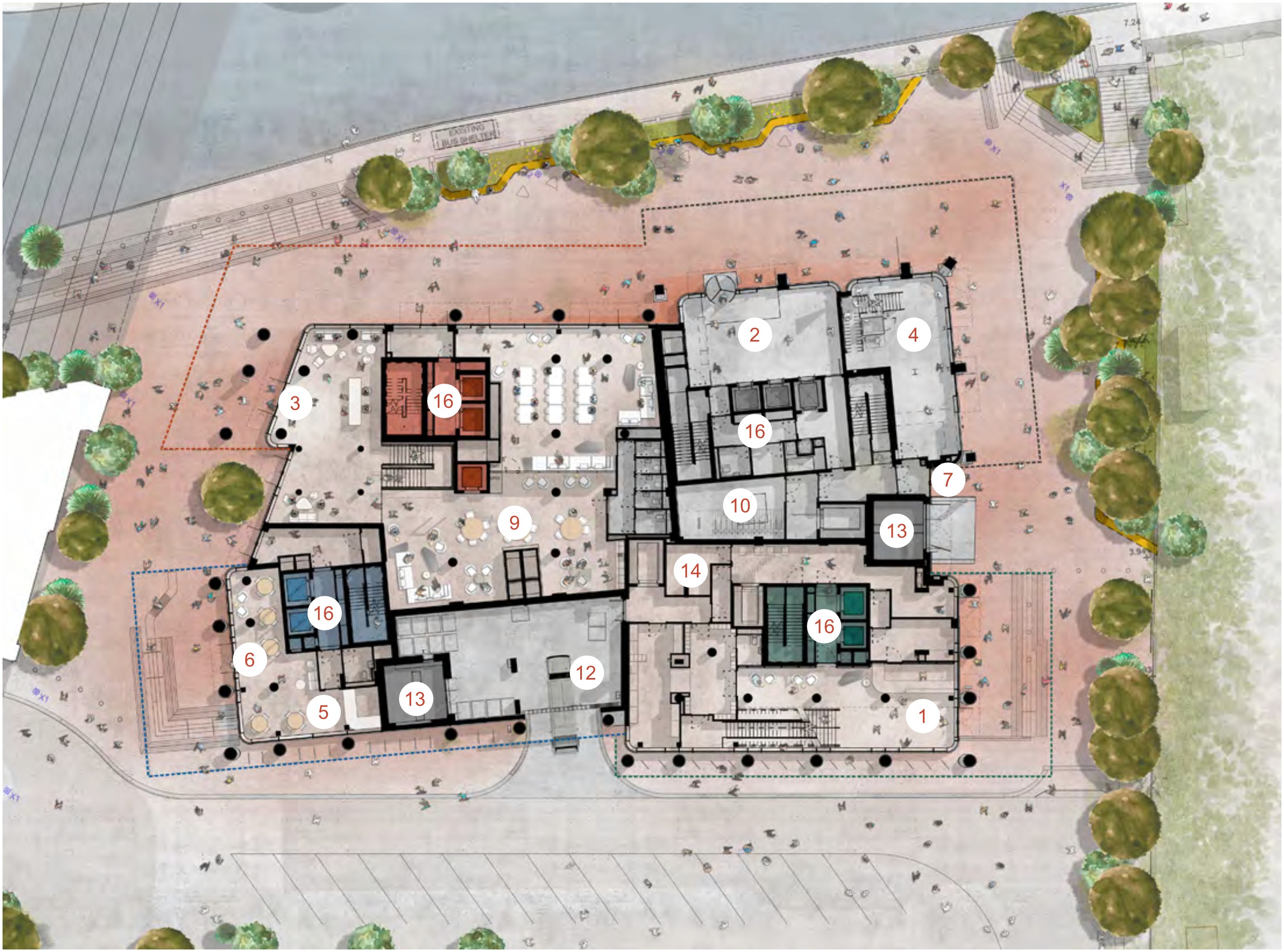
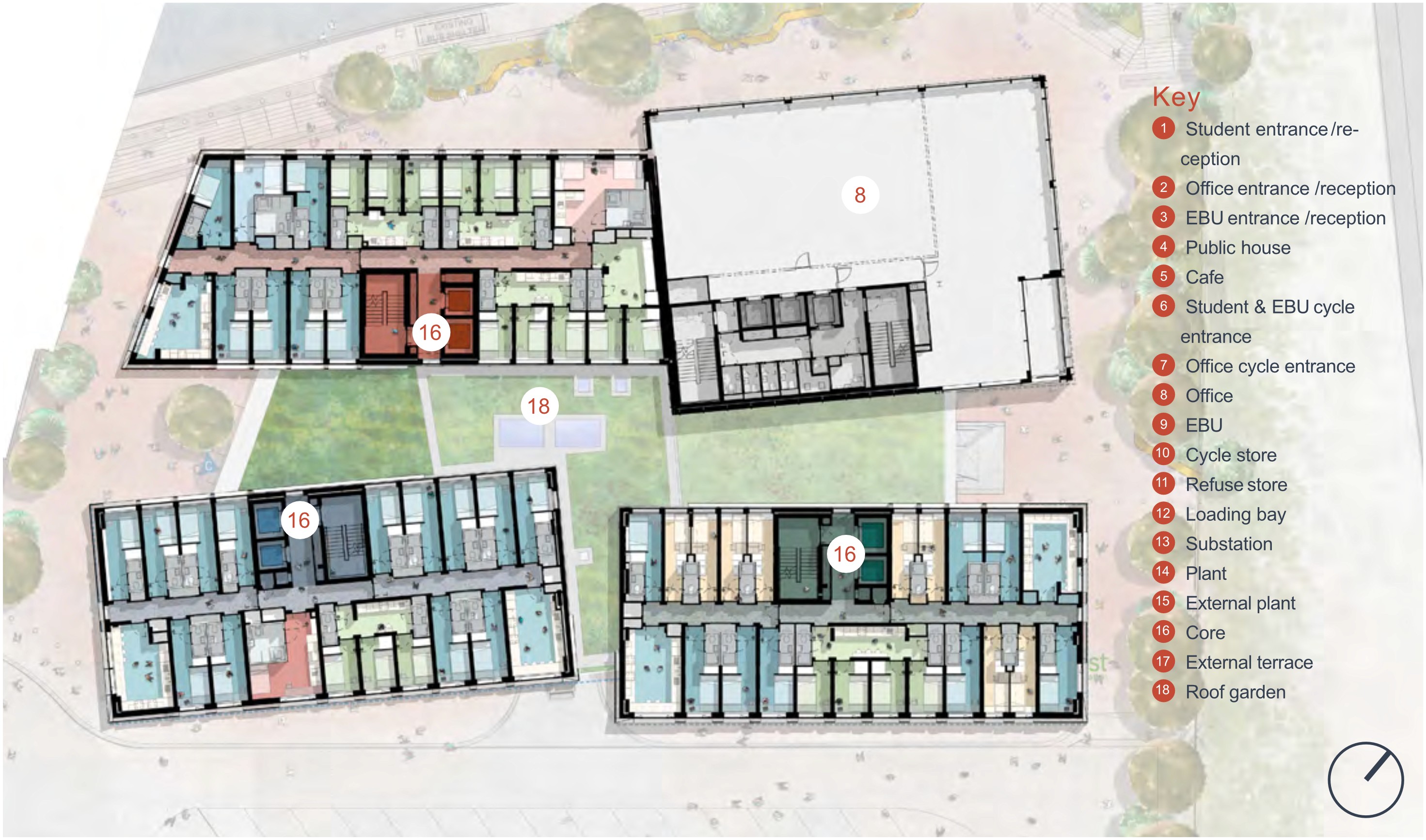
Located near Battersea Power Station, urbanest Battersea is a four-block Passivhaus student accommodation development delivering energy-efficient housing for 852 students. First occupied in September 2024, the scheme was recognised at completion as Europe’s largest Passivhaus student residence and the third largest globally.
The development rises from 11 to 19 storeys and is defined by glazed terracotta façades in red, green and blue, drawing on the site’s industrial heritage. Alongside ensuite and studio rooms, the project includes shared amenities such as a cinema room, gym and rooftop terraces.
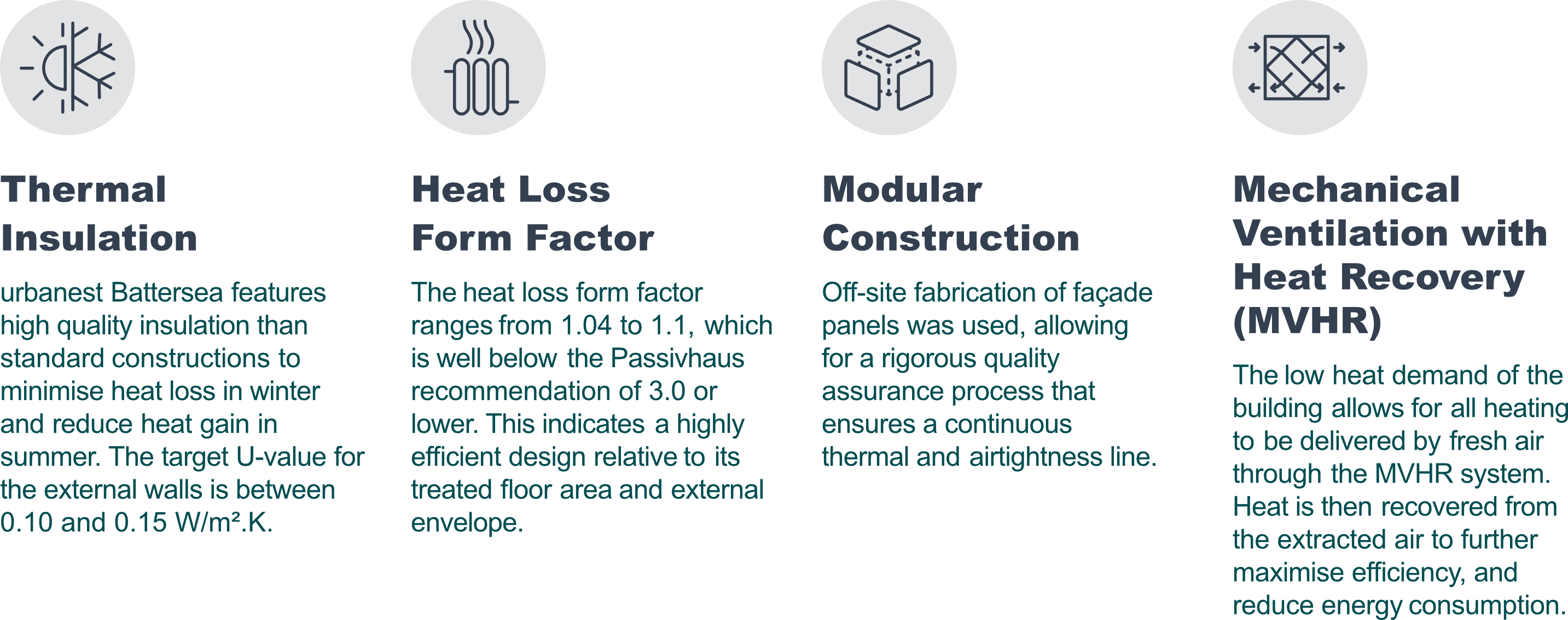
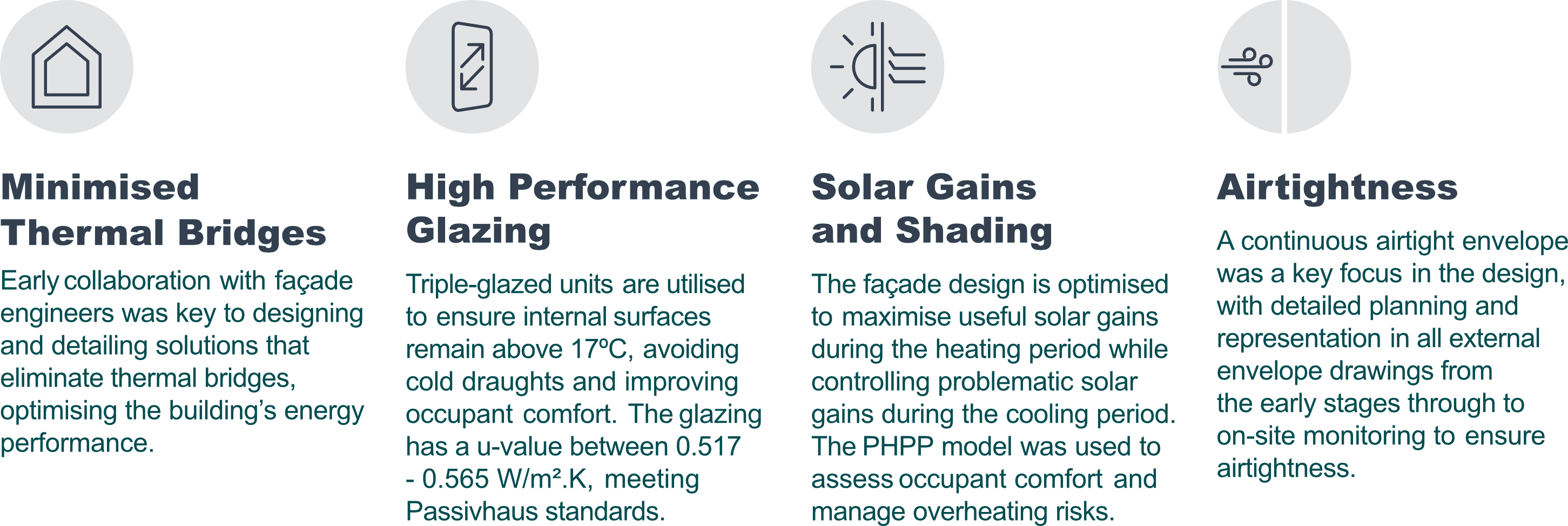
Its Passivhaus strategy combines a high-performance thermal envelope, careful thermal bridge reduction, airtight construction and mechanical ventilation with heat recovery. Prefabricated façade elements and extensive airtightness testing were central to delivering energy efficiency, occupant comfort and robust building performance. The office element of the development also achieved BREEAM 2018 Outstanding.

The case for Passivhaus
Operational energy
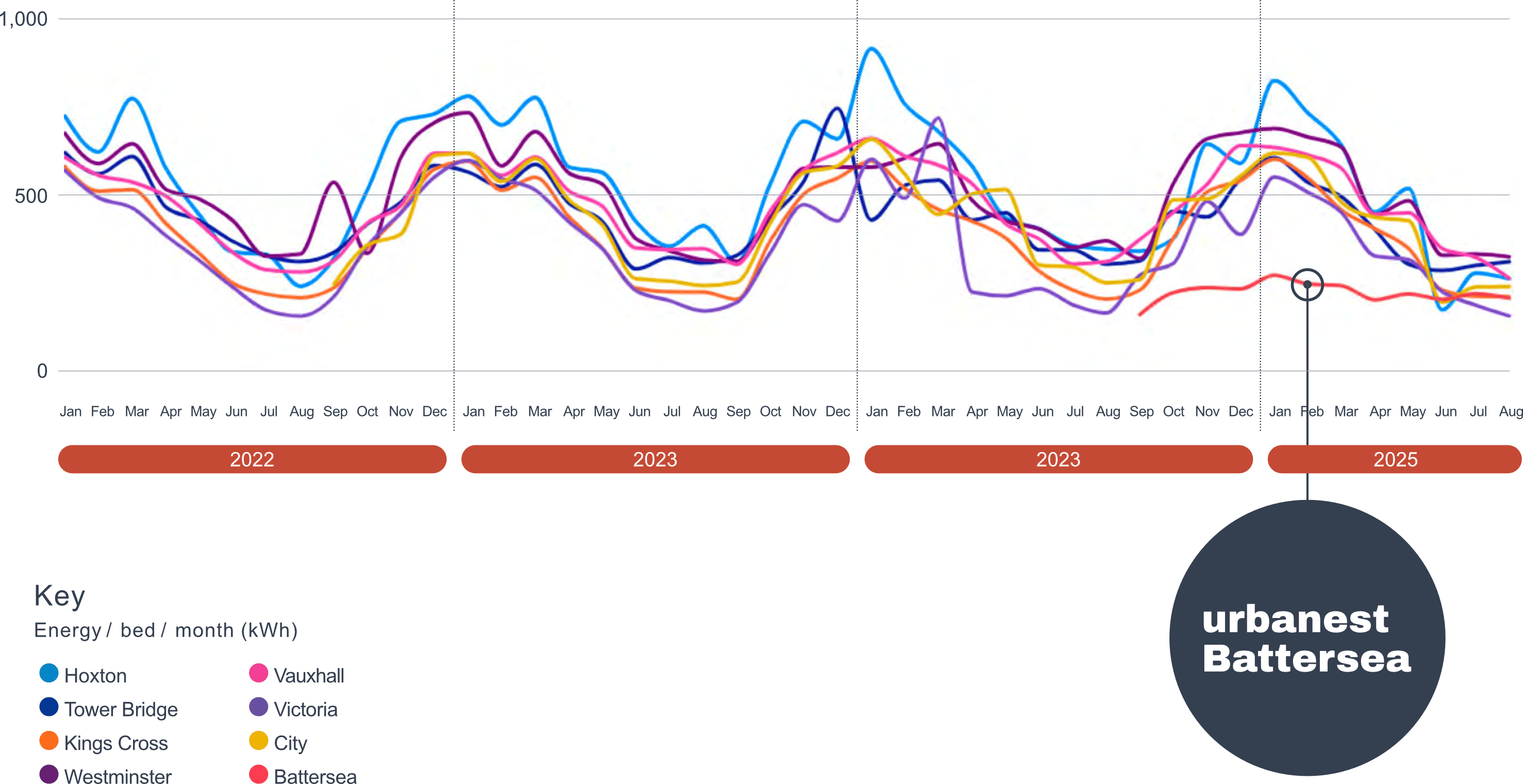
Since first occupation in September 2024, operational energy data from urbanest Battersea has shown a clear reduction in energy use per bed when compared with urbanest’s non-Passivhaus student accommodation.
The results point to both lower overall demand and a significantly reduced winter peak, highlighting the resilience of the building’s performance under changing external conditions. This lower peak demand is particularly important in the context of grid decarbonisation, helping to reduce pressure on energy infrastructure during periods of highest demand.
Performance to date suggests that these savings are not only significant, but also durable over time. For the client, this translates into lower running costs, while also supporting wider environmental goals through a measurable reduction in operational energy demand.
Here’s a slightly more personal, portfolio-style version as well:
Reduction in Operational Energy
Monitoring data from urbanest Battersea since first occupation in September 2024 has demonstrated a clear reduction in operational energy use per bed compared with urbanest’s non-Passivhaus student accommodation.
What is particularly encouraging is not only the lower overall energy demand, but also the much flatter winter peak. This indicates a more resilient building response to external temperature variation and a demand profile better aligned with the needs of a decarbonising grid.
From a design perspective, this is where Passivhaus performance becomes especially valuable: it reduces operational costs for the client while delivering meaningful long-term environmental benefit.
Costs and Long-term value
Modest Capex Uplift With a Falling Trend
Passivhaus has historically been associated with a modest capital cost premium in the UK, but that uplift has been steadily reducing as the market matures. As supply chains strengthen, product availability improves and contractors gain more direct experience of delivering to Passivhaus standards, the additional cost is expected to continue falling. What was once seen as a specialist premium is increasingly becoming a function of normalised design coordination, procurement and construction quality.
Reduced Operational Costs (Opex Savings)
The strongest financial case for Passivhaus lies in operational performance. Certified Passivhaus buildings are designed to achieve exceptionally low space-heating demand, resulting in a dramatic reduction in day-to-day energy use compared with both typical new-build housing and the wider existing housing stock.
In practice, this means significantly lower running costs over the life of the building. It also reduces exposure to fluctuations in energy prices, which is becoming increasingly important for owners, operators and investors seeking greater certainty in long-term operational expenditure.
Over a building’s lifecycle, these operational savings can make a meaningful contribution to offsetting the initial capital uplift associated with Passivhaus delivery. In many cases, the long-term reduction in energy demand has the potential not only to balance that premium, but to exceed it.
Long-Term Asset Value and Resilience
Passivhaus buildings are also better positioned for a future shaped by tighter regulation, rising utility costs and ongoing decarbonisation. Their reduced energy demand and verified performance support greater resilience in the face of policy change, while also helping to future-proof assets against more demanding environmental standards.
From an investment perspective, certification can strengthen ESG credentials and contribute to a more robust long-term value proposition. As sustainability performance becomes a more important factor in asset evaluation, buildings that can demonstrate measurable reductions in operational energy use and improved environmental performance are likely to be better placed in the market.
Marketing Appeal
Passivhaus also brings clear benefits from an occupier perspective. Higher levels of thermal comfort, better indoor air quality and stronger acoustic performance all contribute to a better day-to-day living experience, which can make these buildings more attractive to tenants.
This can translate into stronger rental appeal, improved tenant retention and lower void periods. In turn, that can support better overall asset performance and a stronger net operating outcome over time.
Renewable energy is infinite but our capacity to generate renewable energy is finite. Reducing energy demand in the first place is a key component of getting to net zero.
What is Passivhaus?
Passivhaus is a performance based standard focused on delivering highly energy efficient buildings, while ensuring high levels of occupant comfort.
53,976 m³
Building volume
18,480 m²
Building envelope
4,226 m²
Glazing area
17,964 m²
Treated floor area
865 m
of Airtight, vapour sealed and thermally insulated ductwork
18,328 m
of DHW pipework
11,791 m
of Ambient loop pipework
852
Rooms
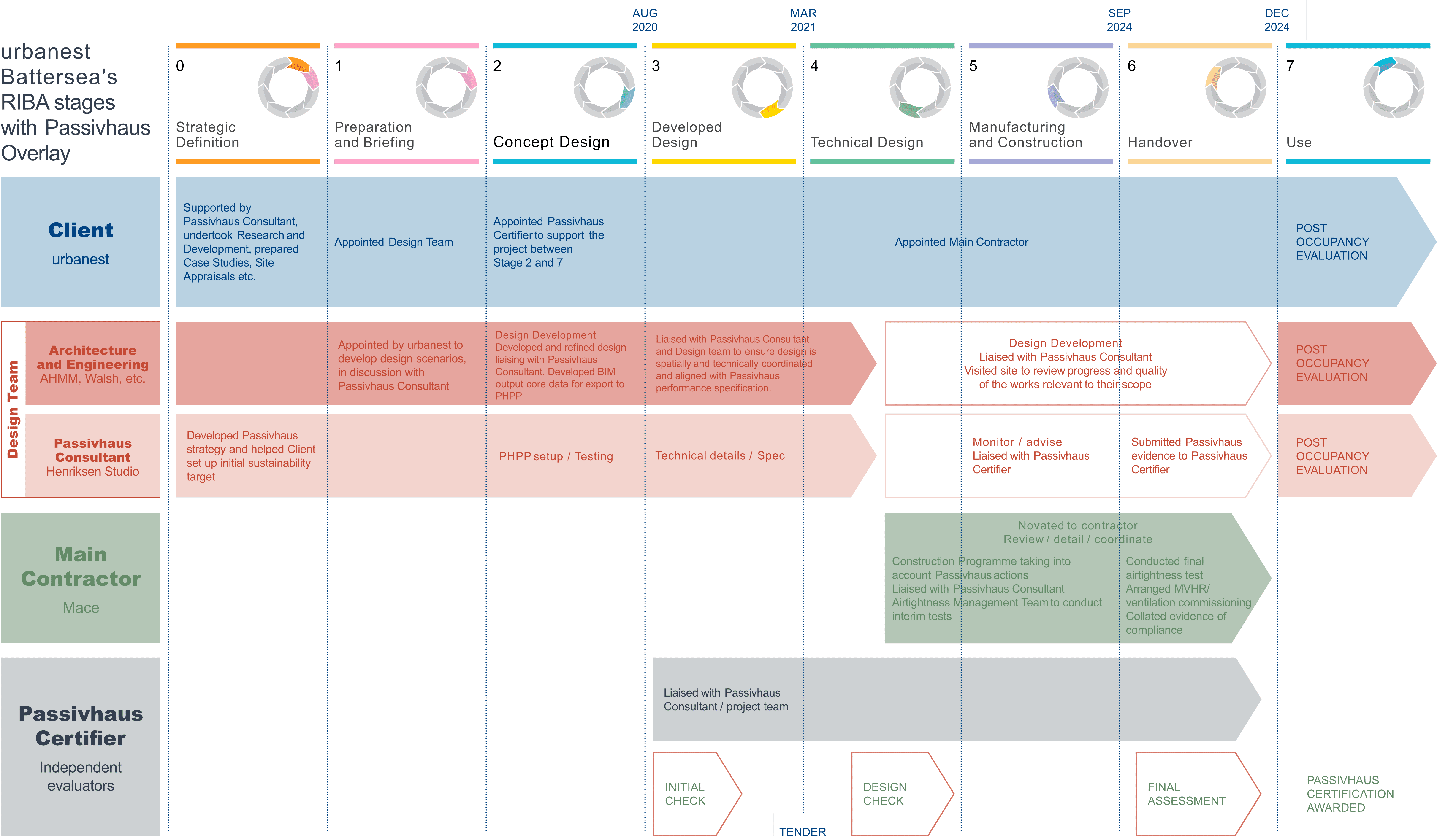
Project timeline
The 5 Key PH principles at Battersea
Zoning Strategy
Multiple Passivhaus models
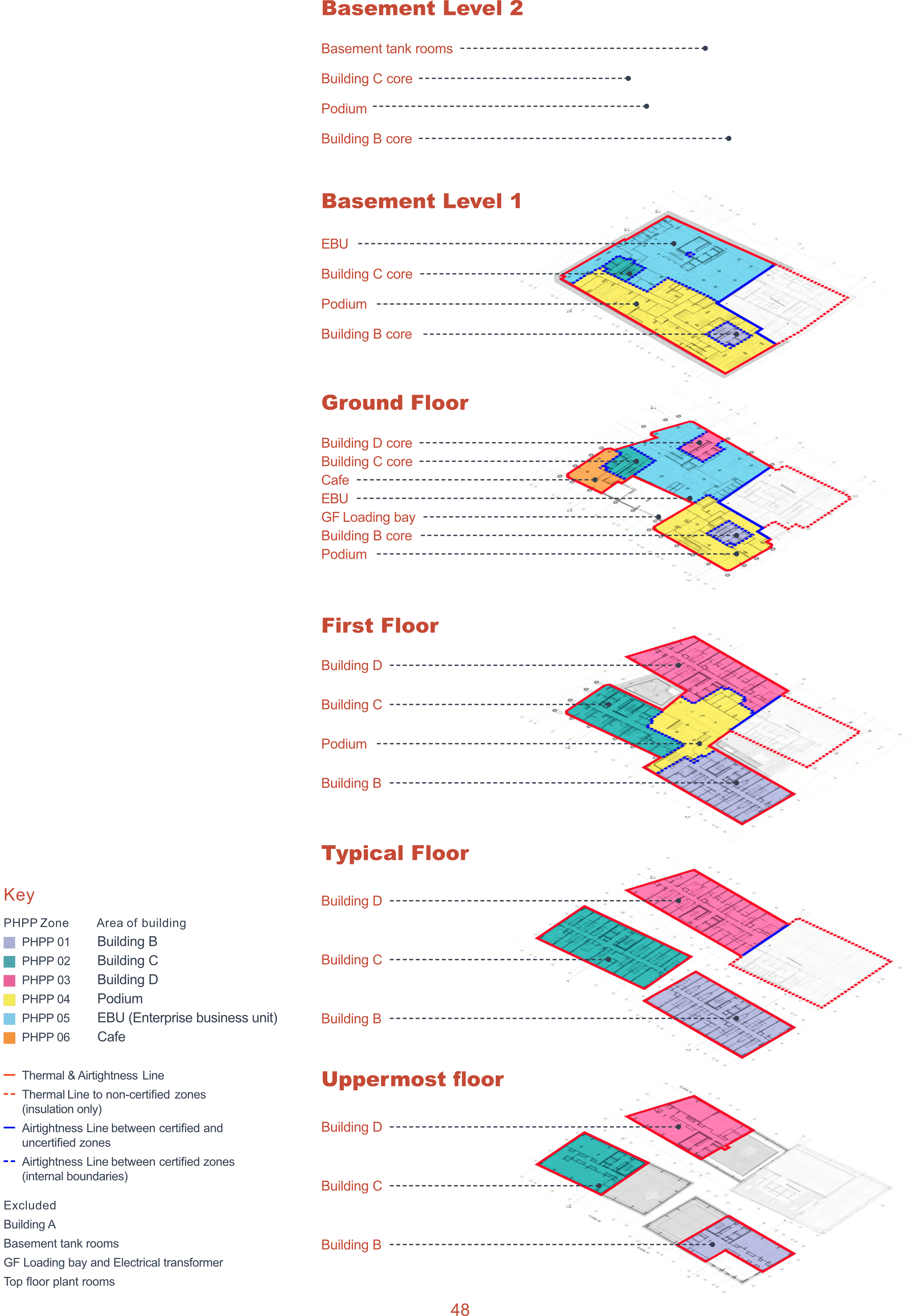
Subdividing into multiple thermal and airtightness zones can help overcome the complications associated with building a Passivhaus standard high-rise.
Tailored Solutions
urbanest Battersea consists of cafe and EBU spaces alongside student accommodation rooms. These areas have varying energy, ventilation, and occupancy needs. By dividing the project into several PHPP models, each use can be assessed and optimised according to its specific criteria.
Data Management
Large buildings involve vast amounts of data related to energy performance, materials, and systems. Subdividing breaks down complex data into smaller, focused sections, simplifying analysis.
Enhanced Accuracy
Different sections of a building might have varying exposure to the sun, shading, wind, or internal loads. By dividing into multiple PHPP packages, each section can be analysed more precisely, leading to more accurate energy performance predictions.
Flexibility in Design and Planning
If changes are needed in one part of the building, only the relevant PHPP package needs to be updated. This avoids the need to rework the entire building model, saving time and reducing the risk of errors.
Risk Management
By dividing the building into separate PHPP models, potential design or performance issues can be isolated and addressed within a specific section. This reduces the risk of a single problem preventing the entire project from passing the certification and makes troubleshooting more straightforward.
The Balancing Act
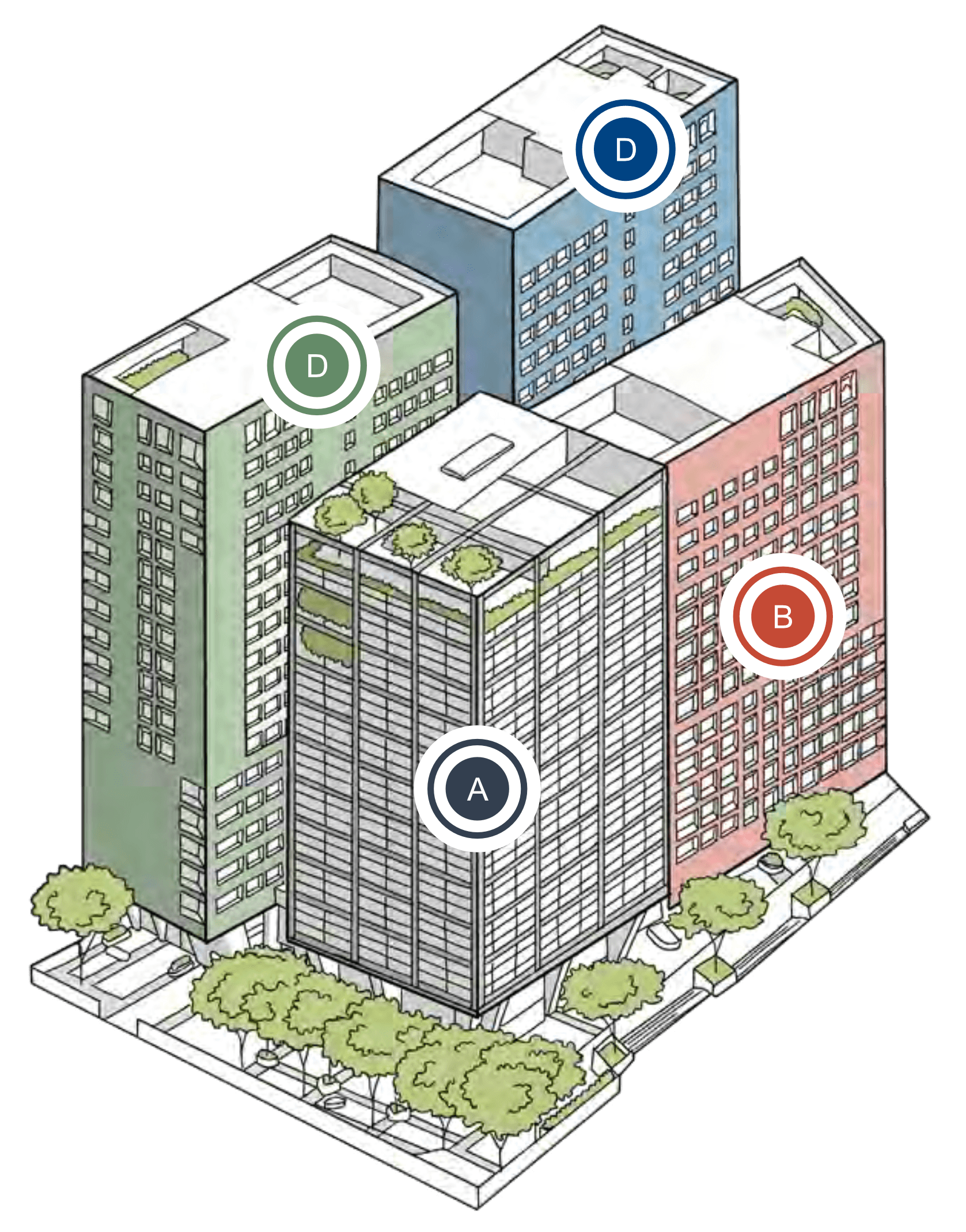
Dividing the project into individual models streamlined the design validation process and supported timely delivery. At urbanest Battersea, Building B was established as a benchmark; once approved by the certifier, its principles and methodologies were replicated across all PHPP models.
While this approach enhanced design efficiency, it required a dedicated team to develop and refine airtightness strategies at internal boundaries to meet the stringent Passivhaus criteria. This resulted in increased costs due to higher demands on materials and workmanship.
The compartmentalised testing approach also led to a few interim airtightness test failures—issues that might have been mitigated through a more integrated testing strategy.
However, the decision to zone the building was ultimately necessary, reflecting the varied uses across the scheme and providing a contingency: had the podium zone (considered high-risk) failed testing, the remaining blocks could still achieve certification. This reflects a strategic balancing act between performance, risk management, and certification success.
Form and Orientation
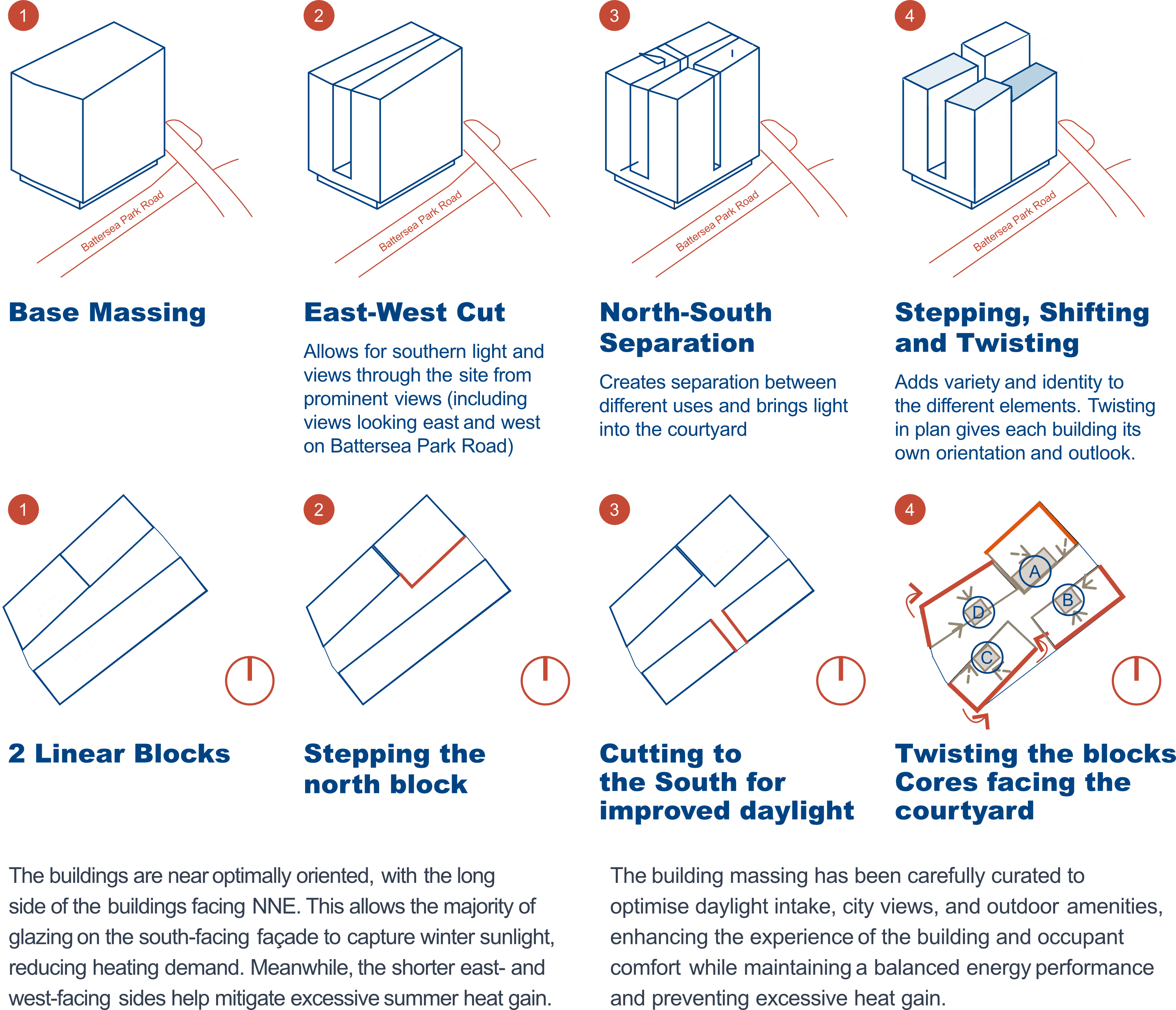
Heat loss form factor plays a crucial role in the energy efficiency of a Passivhaus building. It is defined as the ratio between the building’s envelope surface area (heat loss area) and its treated floor area. A lower form factor indicates a more compact and efficient shape, reducing heat loss and improving overall performance.
Thanks to its large and compact geometry, urbanest Battersea achieves a highly favourable form factor, with Buildings B, C and D scoring 1.04, 1.04 and 1.1 respectively.
A form factor close to or below 3.0 is typically ideal for achieving Passivhaus standards. A favourable form factor also eases the pressure on U-value requirements, allowing simpler detailing and reducing the need for very high insulation levels while still meeting stringent performance targets.
This helps minimise complexity, avoid performance gaps, and support a more robust and efficient building outcome.
Facade design
Designing to Orientation
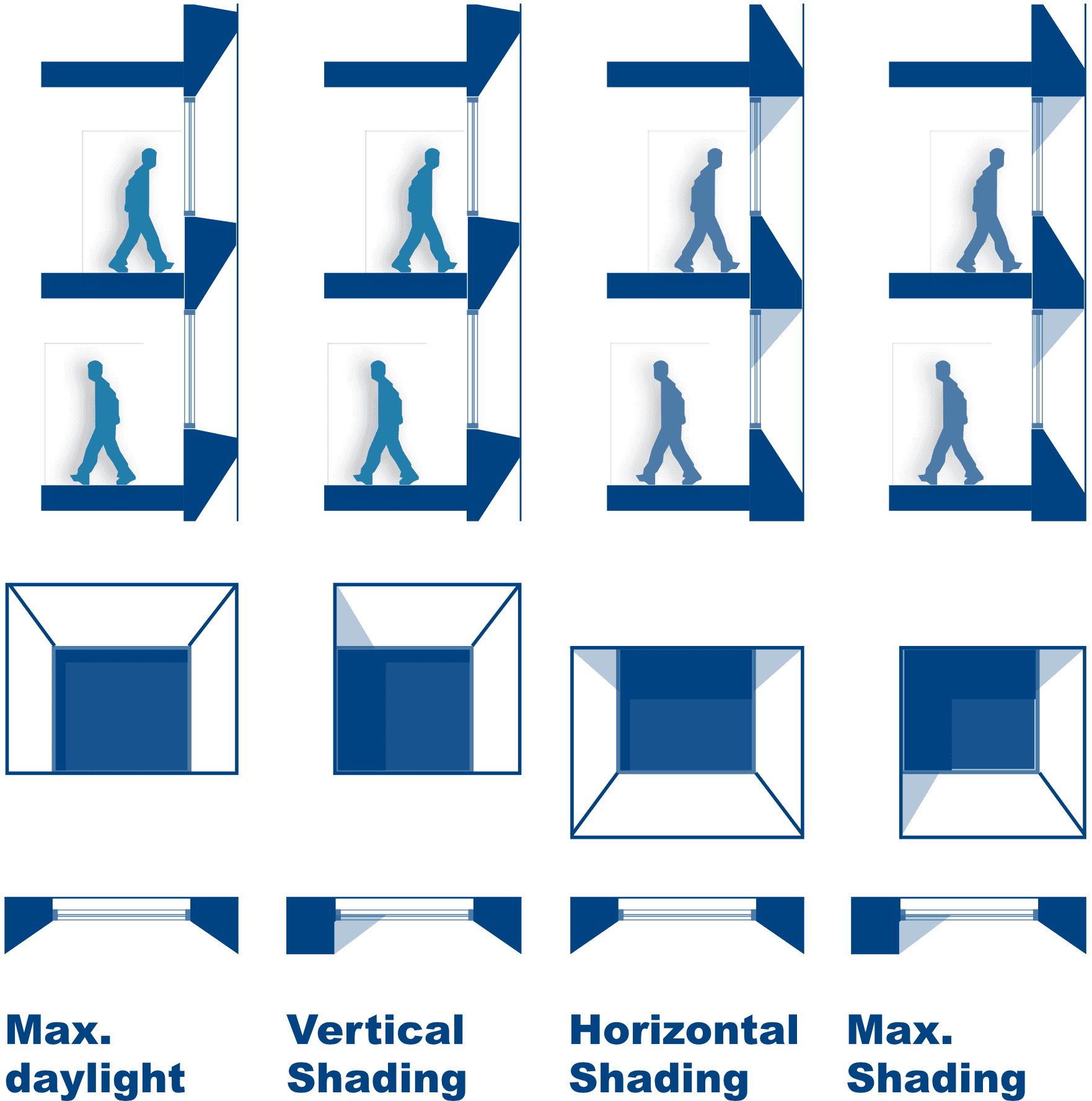
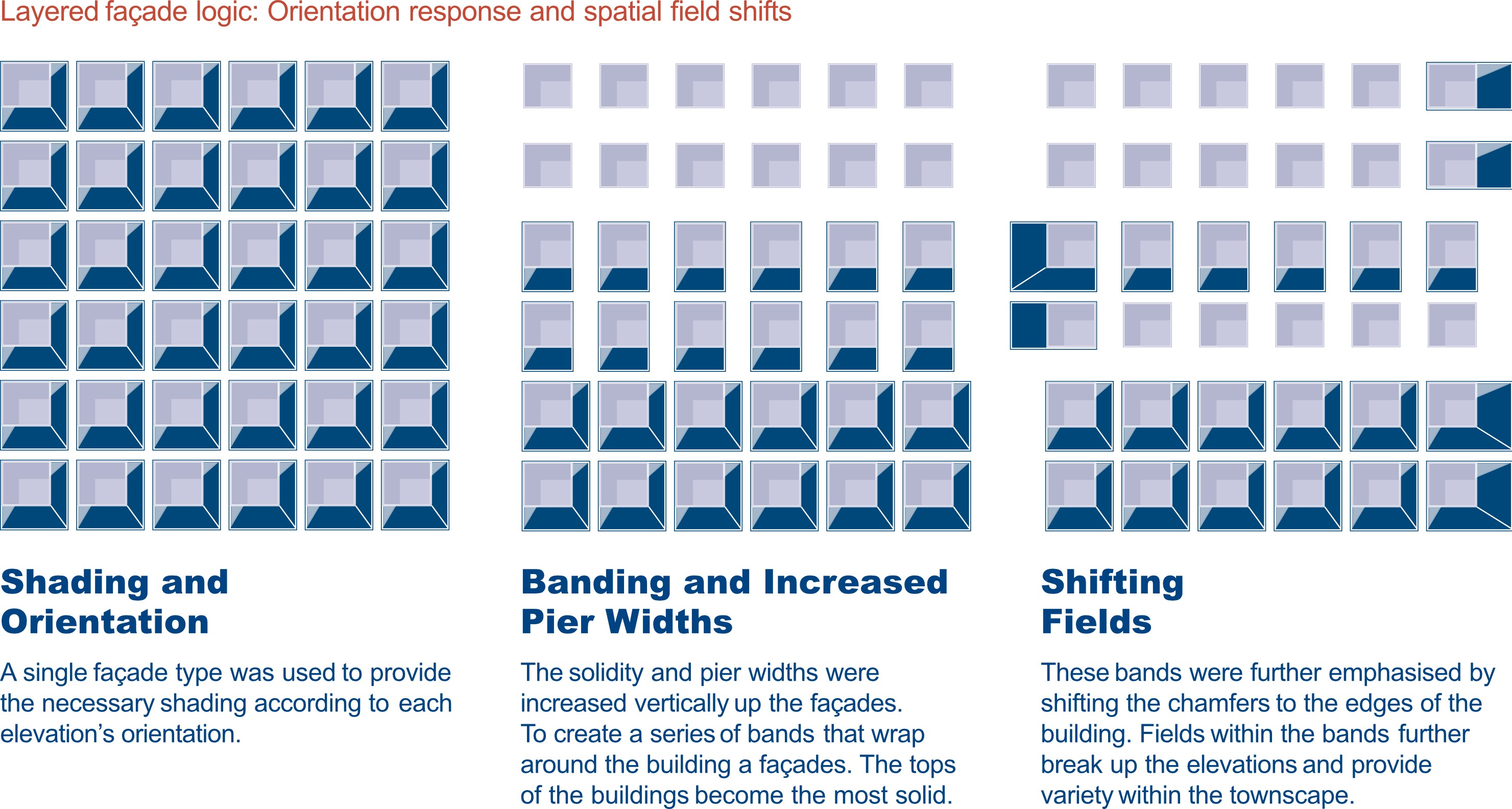
The external façade combines solid panels with recessed, chamfered doghunut panels. The chamfer geometry varies to optimise daylight and views or to increase shading. Chamfers providing greater shading are concentrated on the southern façades, while those allowing more daylight are positioned to the north.
Window types range from fully chamfered openings admitting maximum light to unchamfered ones offering deeper shading and framed views. Within each façade, chamfer types are arranged in clusters to articulate the design and break up the elevation, creating subtle variations in pier width and solid-to-void proportions.
Additional refinement occurs at corners and upper levels, where modified chamfer types are introduced. Further variation results from differing window sizes that correspond to the range of room types and functions.
Solar Gain vs Daylight
The triple-glazed, high performance windows used in the towers have a light transmittance of 70%, with the overall window to wall glazing ratio being approximately between 23%-30%, while the G-value of the glazing varies between 0.27 and 0.49, depending on the façade typology and orientation. To further enhance daylighting, two façade types were introduced for the inner courtyard-facing elevations.
The outer deeper façade wraps around the corners and upper zones, where sun exposure is higher. Its increased depth provides natural shading, significantly reducing overheating risk.
A simple glossy, reflective metal panel façade was proposed to maximise daylight in courtyard-facing rooms. Since no additional shading is required, this façade is thinner, with the glazing line brought forward to create variation and optimise daylight and sky views. Additionally, windows facing internal courtyards are larger than those on external elevations, spanning the full width of the rooms.
This design strategy enhances natural light, openness, and visual connection to the sky, improving the overall spatial quality and occupant experience.
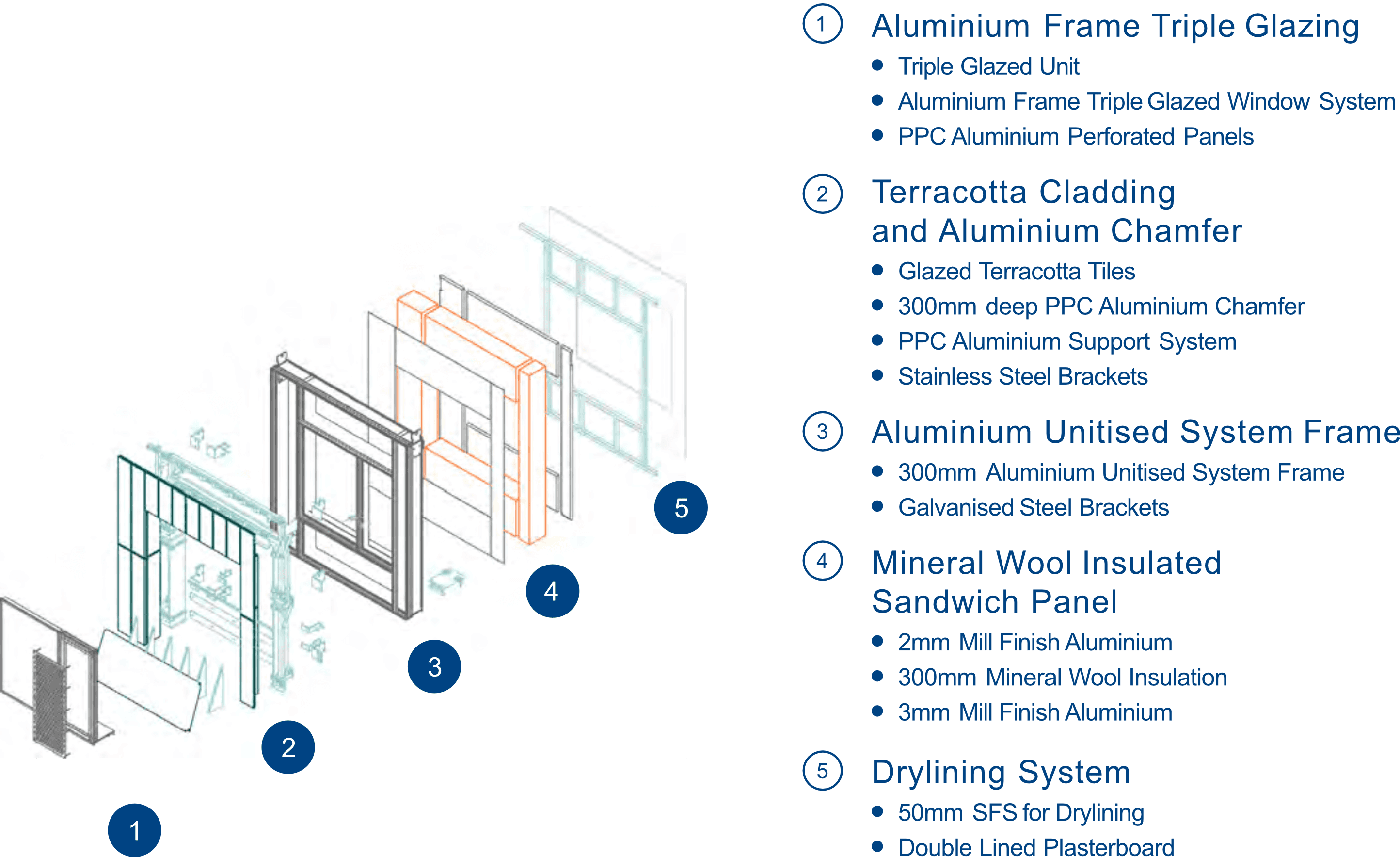
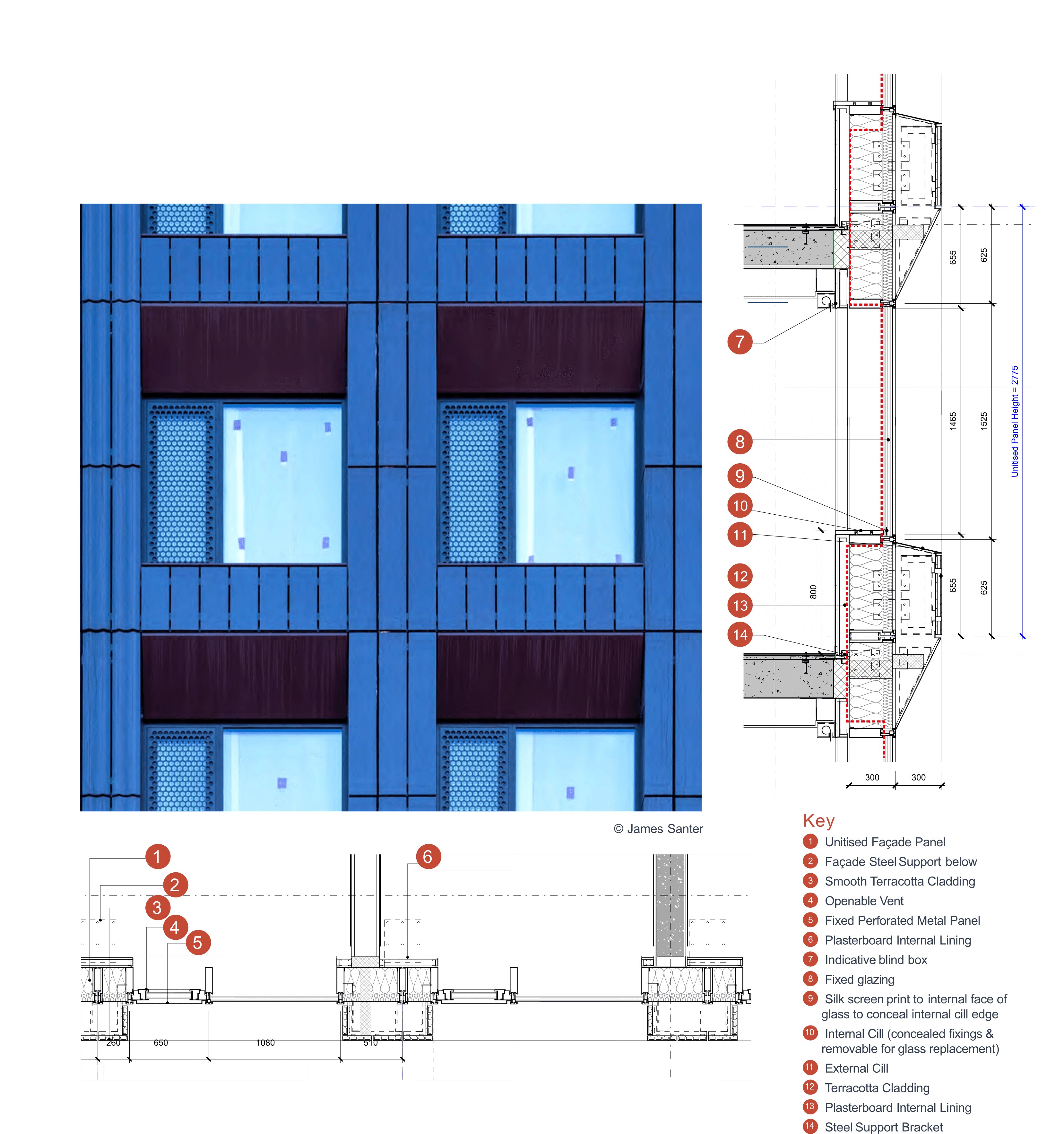
Unitised Facade design
MEP Strategy
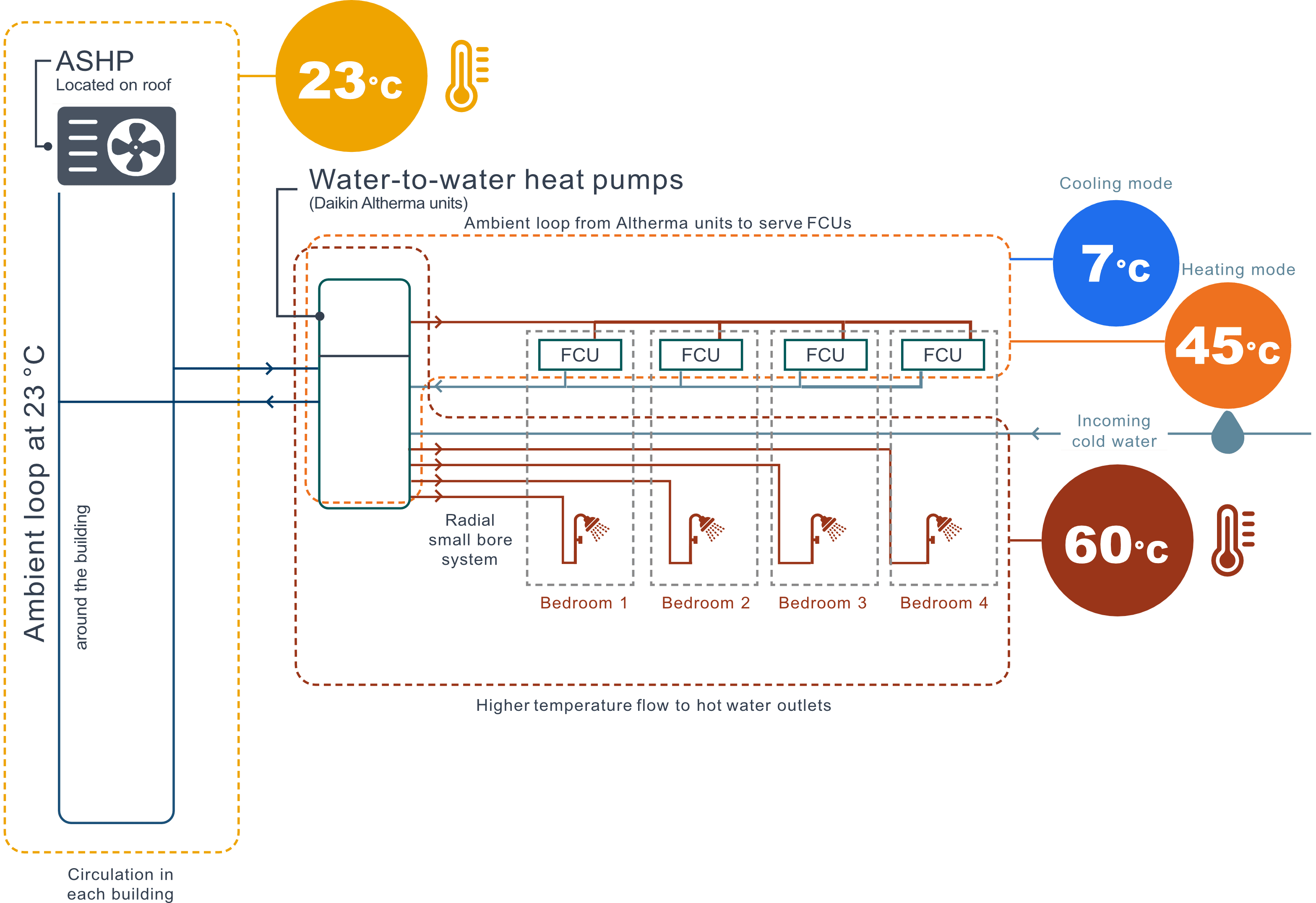
Ambient Loop: Heating and cooling
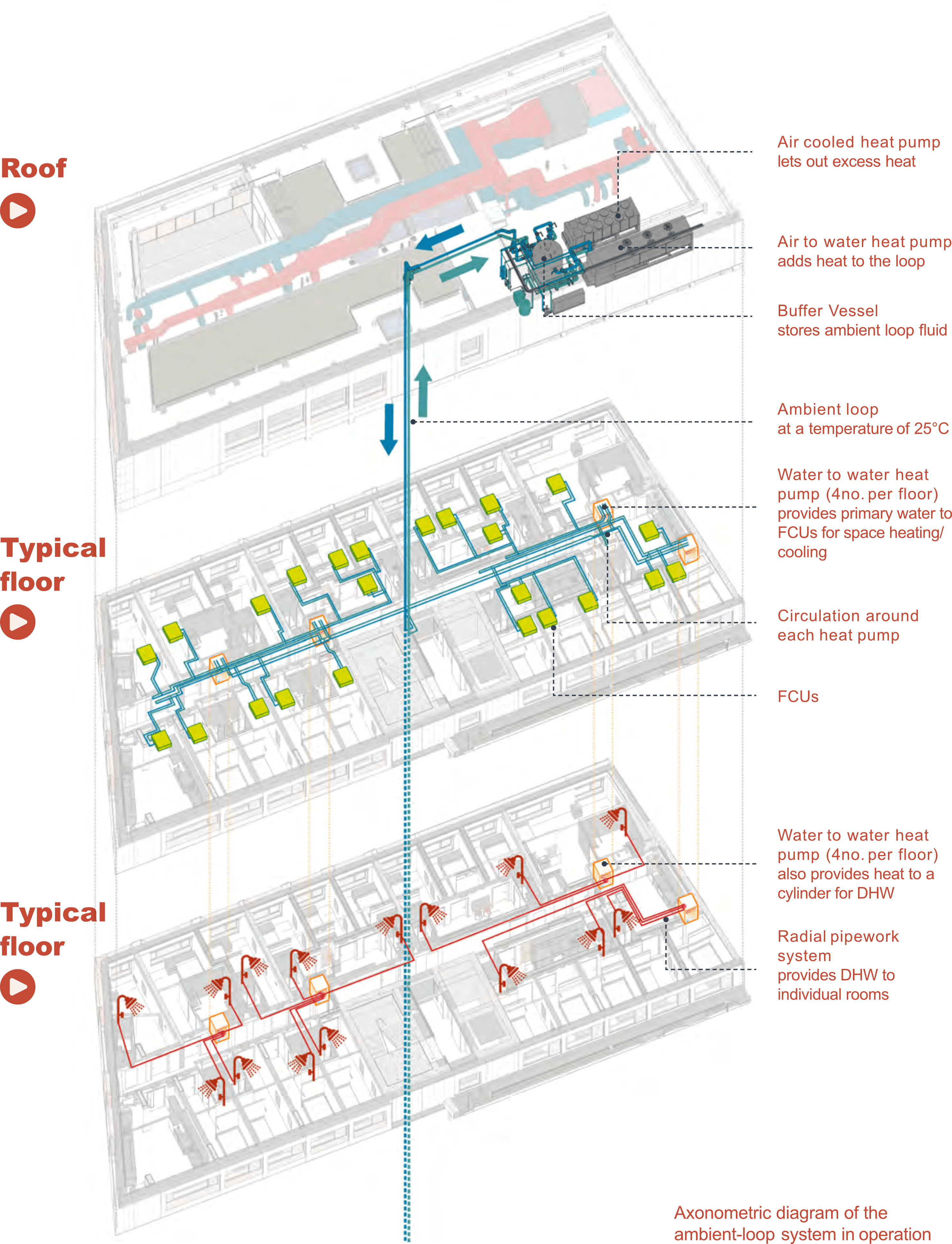
An air source heat pumps (ASHP) located on the roof of each building serve an ambient loop that pumps water around the building at an ambient temperature of around 25 °C. There are four water-to-water heat pumps on each floor, which draw water from the ambient loop and upgrade this to a usable temperature to provide domestic hot water, cooling and heating via fan coil units within the space.
The ambient loop system, combined with radial pipework distribution, minimises heat loss, reduces overheating risk, and lowers operational energy demand compared to maintaining a higher loop temperature in a traditional system. It is especially efficient when some heat pumps operate in cooling mode while others operate in heating mode, as often occurs in student accommodation due to varying occupant needs.
The system will be able to reclaim “waste heat” whilst in the cooling mode which further mitigates the energy use in the building as the heat is rejected into the ambient loop. The system’s reduced insulation requirements also enable a leaner MEP installation, lowering embodied carbon and costs.
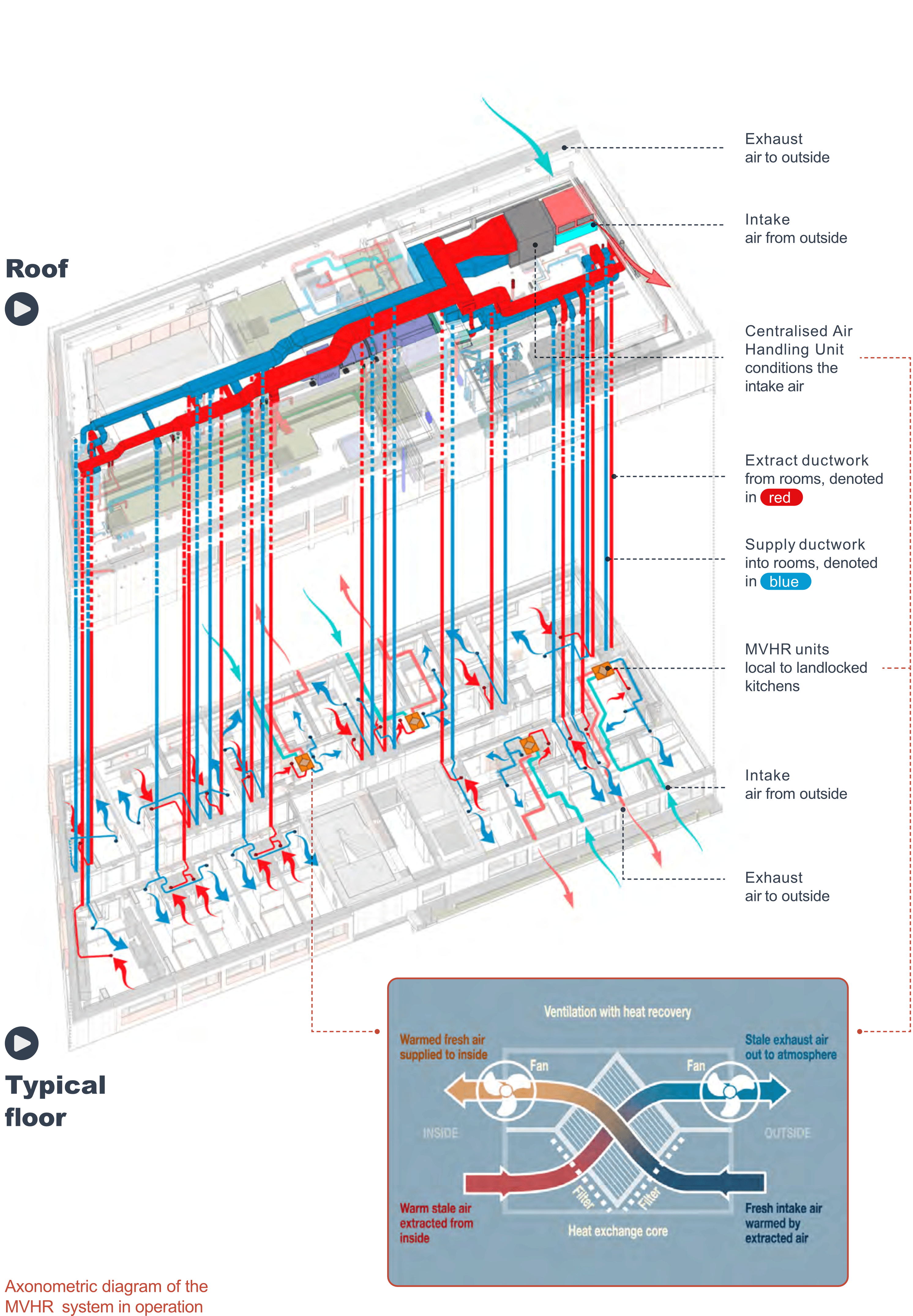
Ventilation Strategy
An air source heat pumps (ASHP) located on the roof of each building serve an ambient loop that pumps water around the building at an ambient temperature of around 25 °C. There are four water-to-water heat pumps on each floor, which draw water from the ambient loop and upgrade this to a usable temperature to provide domestic hot water, cooling and heating via fan coil units within the space.
The ambient loop system, combined with radial pipework distribution, minimises heat loss, reduces overheating risk, and lowers operational energy demand compared to maintaining a higher loop temperature in a traditional system. It is especially efficient when some heat pumps operate in cooling mode while others operate in heating mode, as often occurs in student accommodation due to varying occupant needs.
The system will be able to reclaim “waste heat” whilst in the cooling mode which further mitigates the energy use in the building as the heat is rejected into the ambient loop. The system’s reduced insulation requirements also enable a leaner MEP installation, lowering embodied carbon and costs.
Airtightness
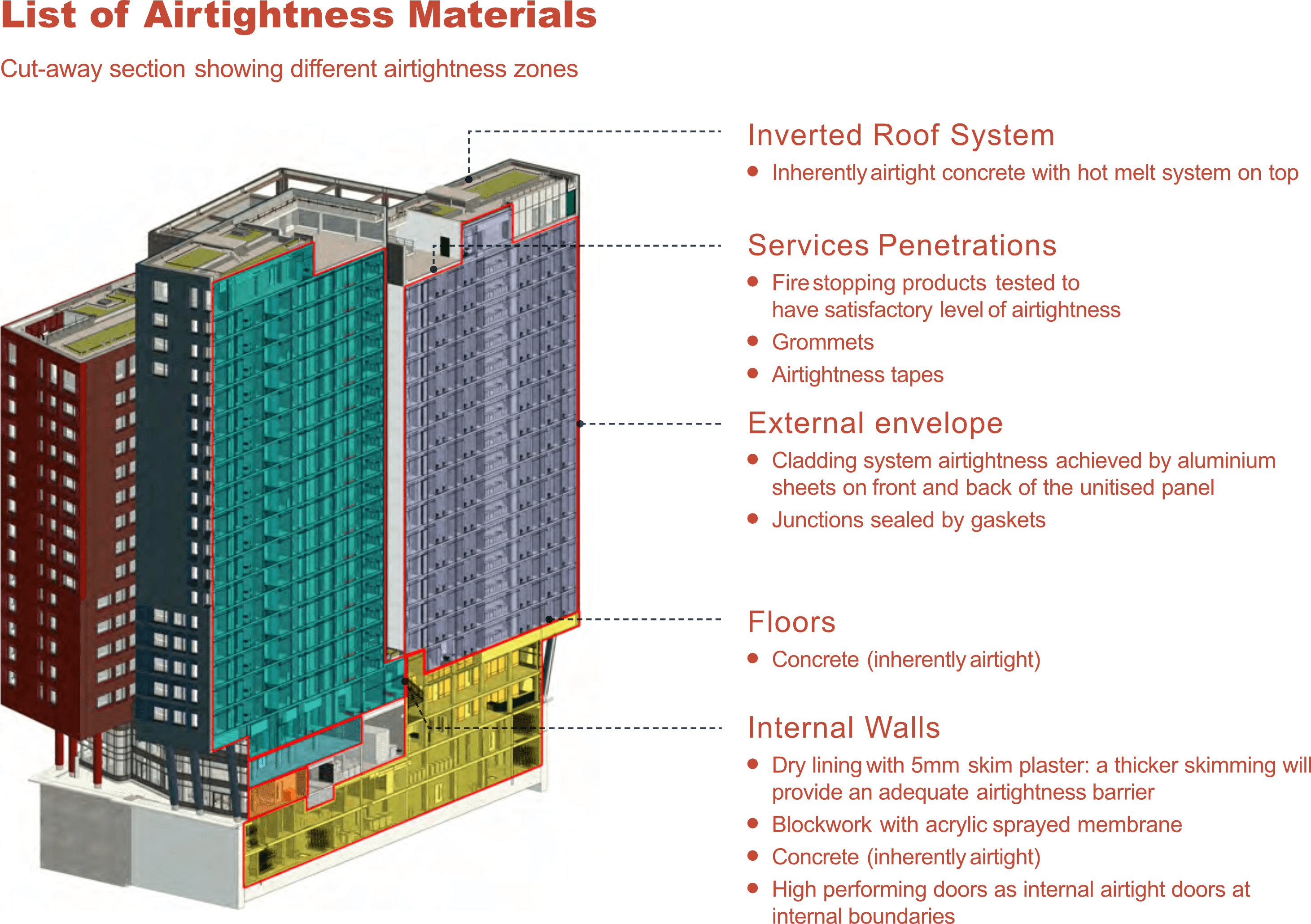
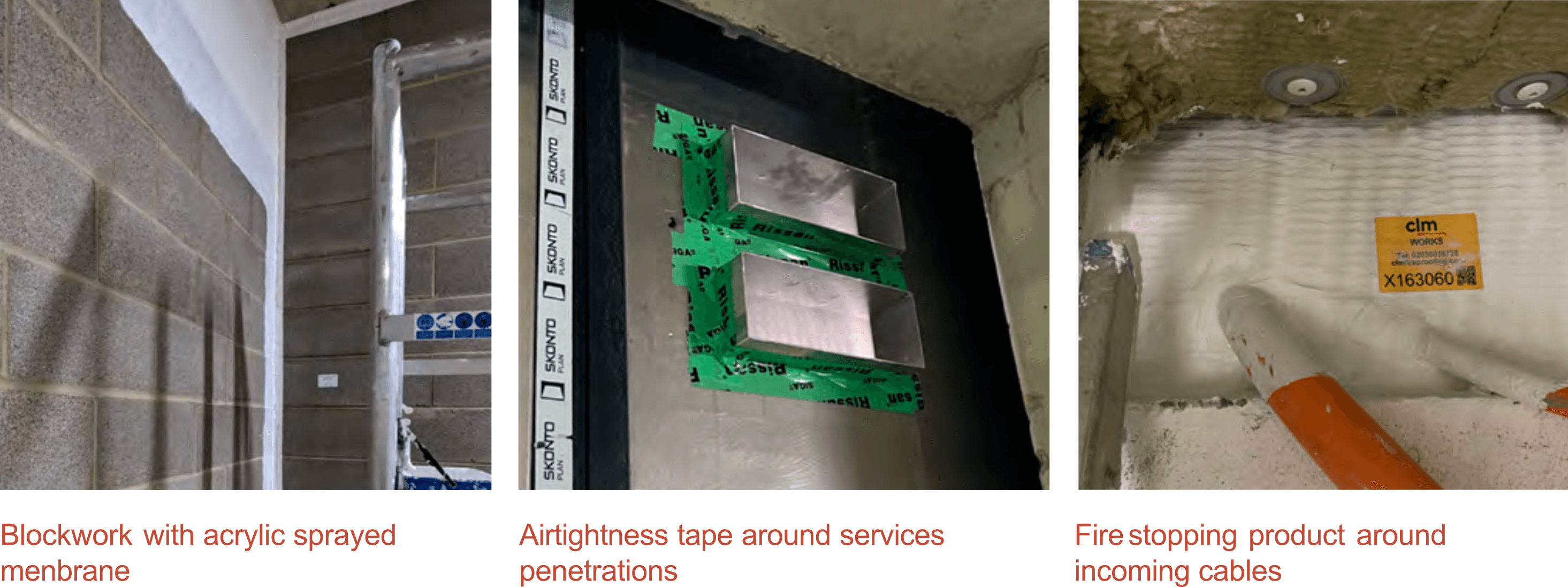
Management and Process
Extensive planning is required for a large building to pass the final airtightness test. Given the scale of the task, effective teamwork is essential. Mace established an on-site airtightness management team dedicated to overseeing and monitoring the process. This team worked closely with testers and subcontractors to coordinate works required for each type of testing.
Interim Tests
To ensure compliance and a smooth process, it is essential to integrate interim airtightness testing into the overall construction programme. This greatly mitigates the risk of failing the final airtightness test. As shown overleaf, Henriksen Studio advised the following tests to be carried out as construction proceeded:
• Component tests (offsite) to be conducted if no prior test evidence available for existing products or assemblies
• Prototype tests (offsite) partial assembly of components and/or bespoke elements using final materials
• Benchmark tests (onsite) areas of permanent installation intended as a point of reference for quality
• Area checks (onsite) progressive checks of construction
• Zone tests (onsite) sectional and full areas of the building:
Stage 1 Pre-tests to assess key junctions and penetrations to identify weaknesses before major works progress.
Stage 2 Sectional tests to be carried out on specific building sections as they were near completion, ensuring airtightness measures are applied consistently
Stage 3 Final test on the completed building and retests (as required)
The total number of tests was estimated to be around 70, excluding any retests required in the event of failure.
The Final Test
Although the final test was conducted on a much larger scale, lessons learned from the interim tests were invaluable in identifying high-risk areas, refining remedial methods, and optimising time management.
These tests also required resource planning and manpower allocation across the test areas. In the event of a failed test, the cause of the leak would be identified using diagnostic tools such as smoke machines and thermographic cameras. The responsible subcontractor would then be contacted for rectification.
The initial plan was to test the individual building blocks and podium area separately, as suggested by the zoning strategy. However, through the learnings of the Podium pre-test, upon agreement with Henriksen Studio and BSRIA, Mace decided that the best way to get the most accurate test result for the project is to test the entire building as one area.
Testing in this way would avoid the need to manage or monitor the leakage between the internal boundaries, which would have compromised area test results. Moreover, this also negated the need to work out an average result across the areas. The Mace team believed this was the most accurate way to test the building for Passivhaus.
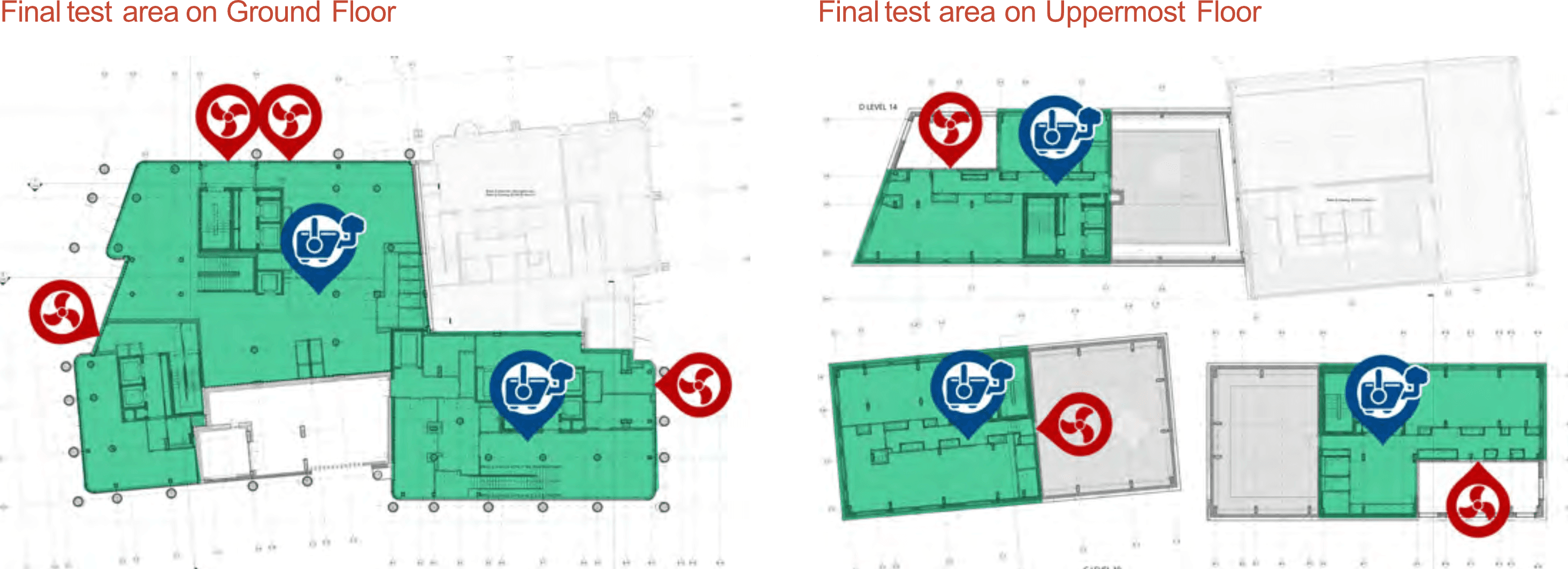
As illustrated on the next page, at final test, 4 blower doors were placed on GF and 3 on the uppermost level, with smoke machines placed across the floors of the final building test area for discovery of leakages.
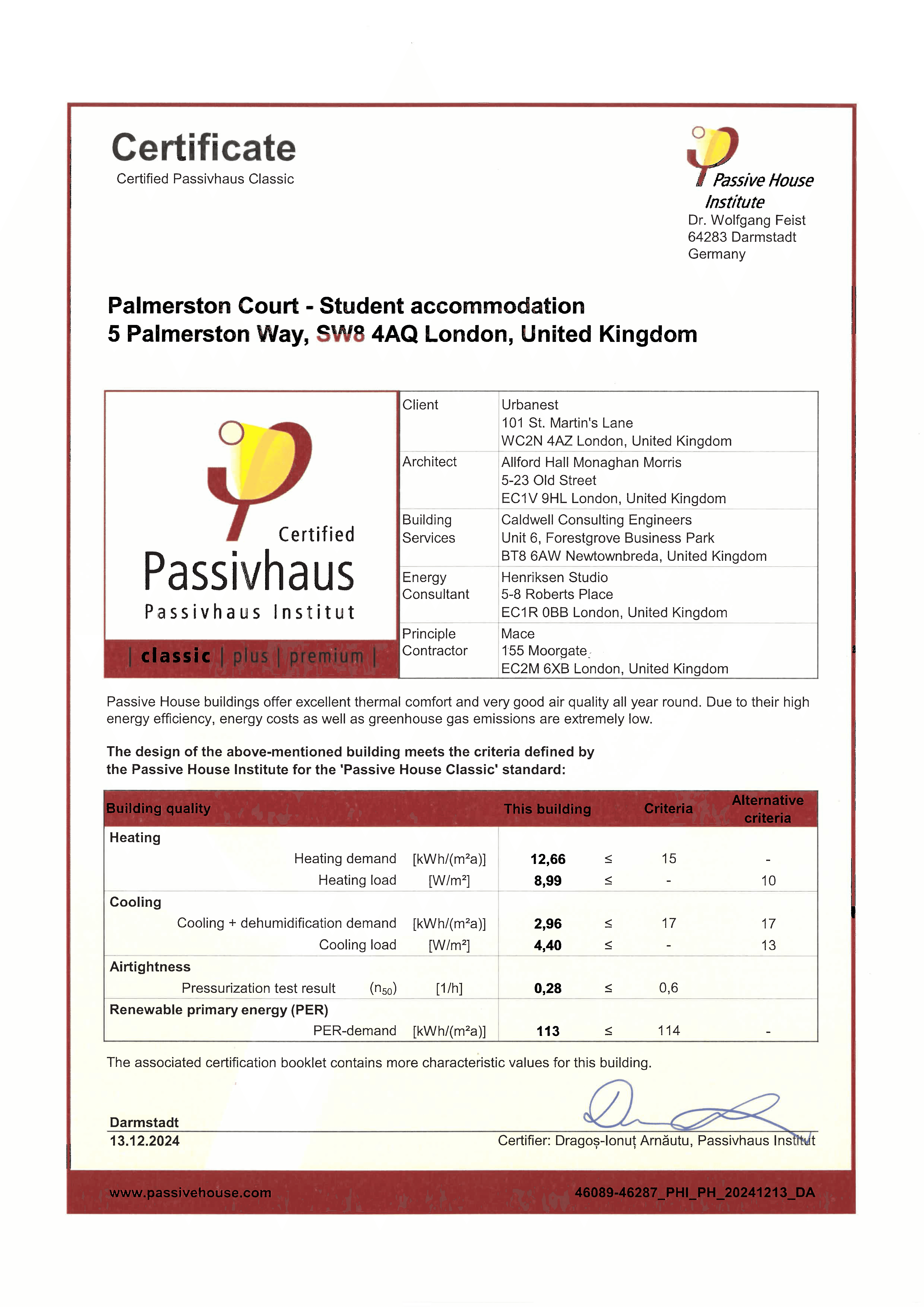
Initial whole building airtightness result was 0.28 air changes per hour (ACH) and 0.815 m³/hr/m² for air permeability, which fell short of the 0.6 m³/hr/m² target. Henriksen Studio felt that this was not a true reflection of the air permeability, as some areas/interfaces/systems compromised the result unfairly. The program, however, did not allow retesting to improve the results.
The measured air leakage had a low impact of the overall modelled performance of the building, and therefore the overall certification criteria were still achieved even with the negative impact of the higher than desired air permeability.
Thermal Bridging
Why is it important?
Thermal bridges are areas in a building where heat transfer occurs at a higher rate than in surrounding materials, leading to increased energy loss, reduced thermal comfort, and potential condensation and mould risks due to low surface temperatures.
In high-rise buildings, unaddressed thermal bridges, especially when they are repetitive, can cause significant heat loss, impacting overall energy performance.
Passivhaus design principles emphasise eliminating or minimising thermal bridges through careful detailing and high-performance materials since conceptual design stage. Where thermal bridges cannot be fully designed out, their impact must be quantified and mitigated to minimise heat loss.
Calculation Methodology
Passivhaus standard adopts a conservative approach to calculate thermal bridges. As opposed to some national building regulations that use internal dimensions, Passivhaus calculations take into account the external surface area of the thermal envelope.
In urbanest Battersea, all façade thermal bridges are included in the area-weighted u-values and it was the responsibility of the Façade Subcontractor to submit detailed calculations demonstrating that the maximum allowable thermal transmission was not exceeded for each building as set out in the façade specifications written by Henriksen Studio.
Henriksen Studio adopted a stringent monitor and control process for the non-façade thermal bridges to be identified, quantified in length (as linear thermal bridges) or number (as point thermal bridges), and the total thermal losses were determined for each PH area.
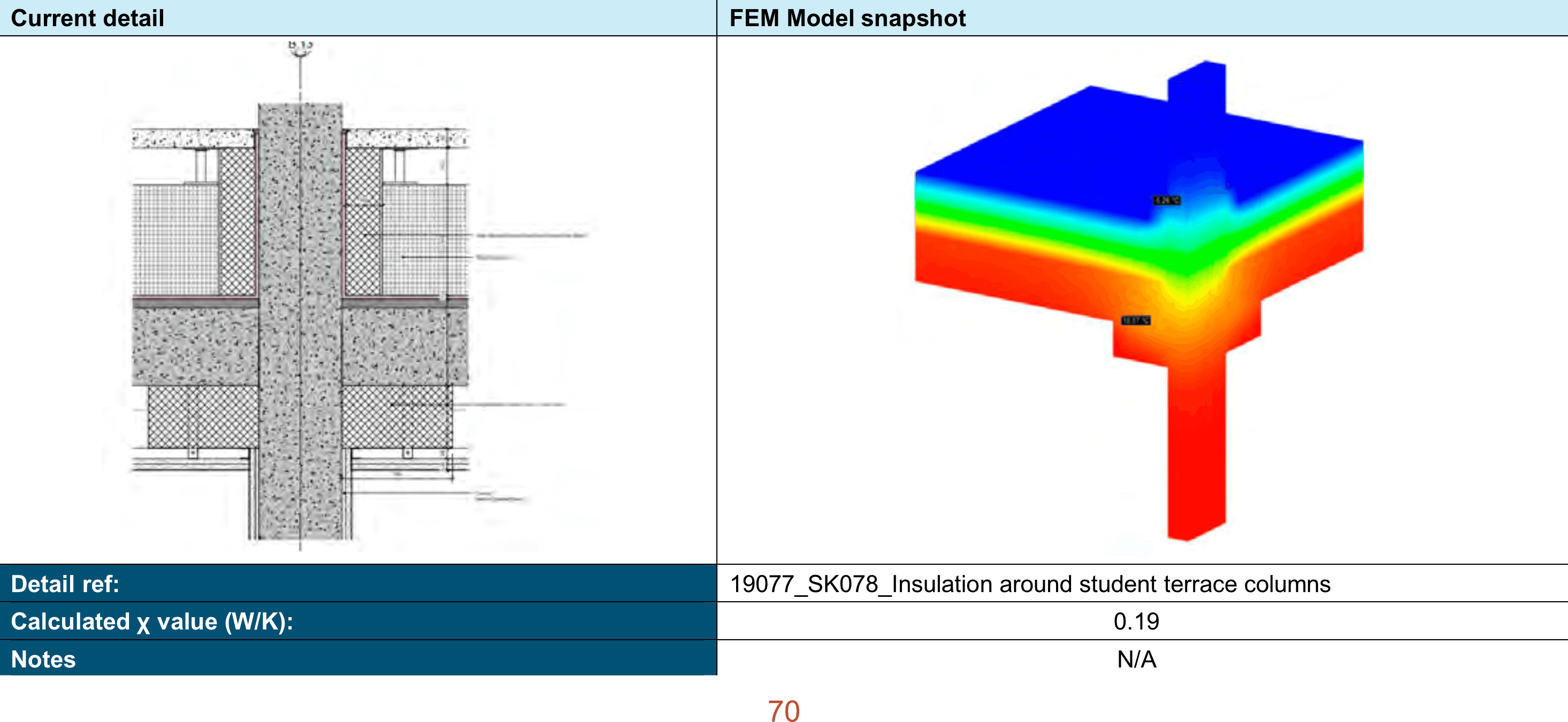
Examples of non-façade thermal bridges include penetrations of columns in the roof terrace, retaining walls against the ground and interface between curtain walls and roofs.
The thermal bridges were identified using Architect's drawings, each then given a name and code to reflect the location and characteristics of the thermal bridge.
When a detail was available, a 2D or 3D Finite Element Method (FEM) analysis was performed to simulate heat flow and temperature distribution, in order to assess energy efficiency.
By the end of Stage 5, the impact of the total non-façade related thermal bridges on the heating energy was estimated to be approximately 5.5% of the total heat loss, making it a relatively insignificant contributor to the specific heating demand.
It is worth noting although PHPP makes an allowance for thermal bridges, their impact cannot be fully determined until constructed, as the built quality also attributes to the thermal performance of the building fabric.
Certification
how achieved
Certificiatiion